Studying Abroad in Asia and Australia: A Student-Life Guide to Tokyo, Seoul, Sydney and More
Studying abroad in Asia and Australia splits into two worlds. The Asian cities run cheap to mid: Bangkok is the lightest at around ฿20,000 a month, then Taipei (NT$28,000 to NT$35,000), Hong Kong (HK$12,000), Seoul (₩1,500,000) and Tokyo (¥150,000). The Australian cities sit higher and all use Australian dollars: Melbourne, Brisbane and Perth around A$2,200 a month, with Sydney the priciest at about A$2,500. English runs everything in Australia and Hong Kong, while Tokyo, Seoul, Taipei and Bangkok use the local language day to day with English common around campuses.
Most "study abroad" guides stop at the edge of Europe. But some of the best student cities on earth sit a long-haul flight away, in Asia and Australia, and they are wildly different from each other. A night market crawl in Taipei, a beach swim before a 9am lecture in Perth, a karaoke room in Seoul at 2am: these are not the same trip. This is a student-life look at the nine non-European cities The Student Life runs, what they actually cost in their own money, what language you will hear, and the vibe you are signing up for.
We have pulled every figure straight from our own city pages, so the numbers here match what you will see when you dig into your city. One rule up front: each city is quoted in its local currency, because converting everything to one currency hides how cheap or pricey daily life really feels on the ground.
How much does it cost to study in Asia versus Australia?
The single biggest split is money. The four Australian cities cluster together and all use the Australian dollar (A$), sitting at the higher end. The five Asian cities span a huge range, from very affordable Bangkok to mid-priced Tokyo, each in its own currency.
| Budget / mo | Room | Coffee | Beer | Transport / mo | |
|---|---|---|---|---|---|
| Bangkok | ฿20,000 | ฿8,000 | ฿70 | ฿80 | ฿1,300 |
| Taipei | NT$28,000 to NT$35,000 | NT$8,000 to NT$15,000 | NT$110 | NT$70 | NT$1,200 |
| Hong Kong | HK$12,000 | HK$6,000 | HK$40 | HK$70 | HK$348 |
| Seoul | ₩1,500,000 | ₩600,000 | ₩5,000 | ₩5,000 | ₩62,000 |
| Tokyo | ¥150,000 | ¥60,000 | ¥450 | ¥550 | ¥10,000 |
| Brisbane | A$2,200 | A$1,000 | A$5 | A$11 | A$22 |
| Melbourne | A$2,200 | A$1,100 | A$5 | A$10 | A$160 |
| Perth | A$2,200 to A$2,800 | A$950 | A$5.50 | A$13 | A$110 |
| Sydney | A$2,500 | A$1,400 | A$5.50 | A$10 | A$200 |
Figures are in each city's local currency, so do not read across rows as if a baht equals a dollar. The "budget per month" is a realistic all-in student figure (rent, food, transport, a social life), and the room figure is a single room, not a whole flat.
A few things jump out. Bangkok is in a league of its own for affordability, with a full student month near ฿20,000 and a room around ฿8,000. Hong Kong looks cheap by the headline number (HK$12,000 a month) but space is the catch: rooms are small and a single room runs about HK$6,000. In Australia, Brisbane quietly wins on transport, where trips are capped at 50 cents and a month of travel can land near A$22, while Sydney is the most expensive city on this list once rent is in play, with rooms around A$1,400.
What language will I actually need?
This is where students most often guess wrong. Four of these cities run on a local language for daily life, with English common around campus but not guaranteed at the corner shop.
- English-first: all four Australian cities (Sydney, Melbourne, Perth, Brisbane) plus Hong Kong, where English is an official language and very widely spoken alongside Cantonese.
- Local language, English around campus: Tokyo (Japanese, with English signage on trains and growing support in the centre), Seoul (Korean, English common around campuses and transport), Taipei (Mandarin, English widely understood by younger people and on transit) and Bangkok (Thai, English widely used in universities and central areas).
You do not need fluent Japanese to study at Waseda or fluent Korean to land at Yonsei, but a few hundred words and a translation app change everyday life from stressful to fun. The students who settle fastest are the ones who learn to read a menu and order in the local language by month two.
What is the vibe in each city?
Cost and language tell you the logistics. Vibe tells you whether you will be happy. Here is the honest one-liner for each, pulled from how locals and students actually describe them.
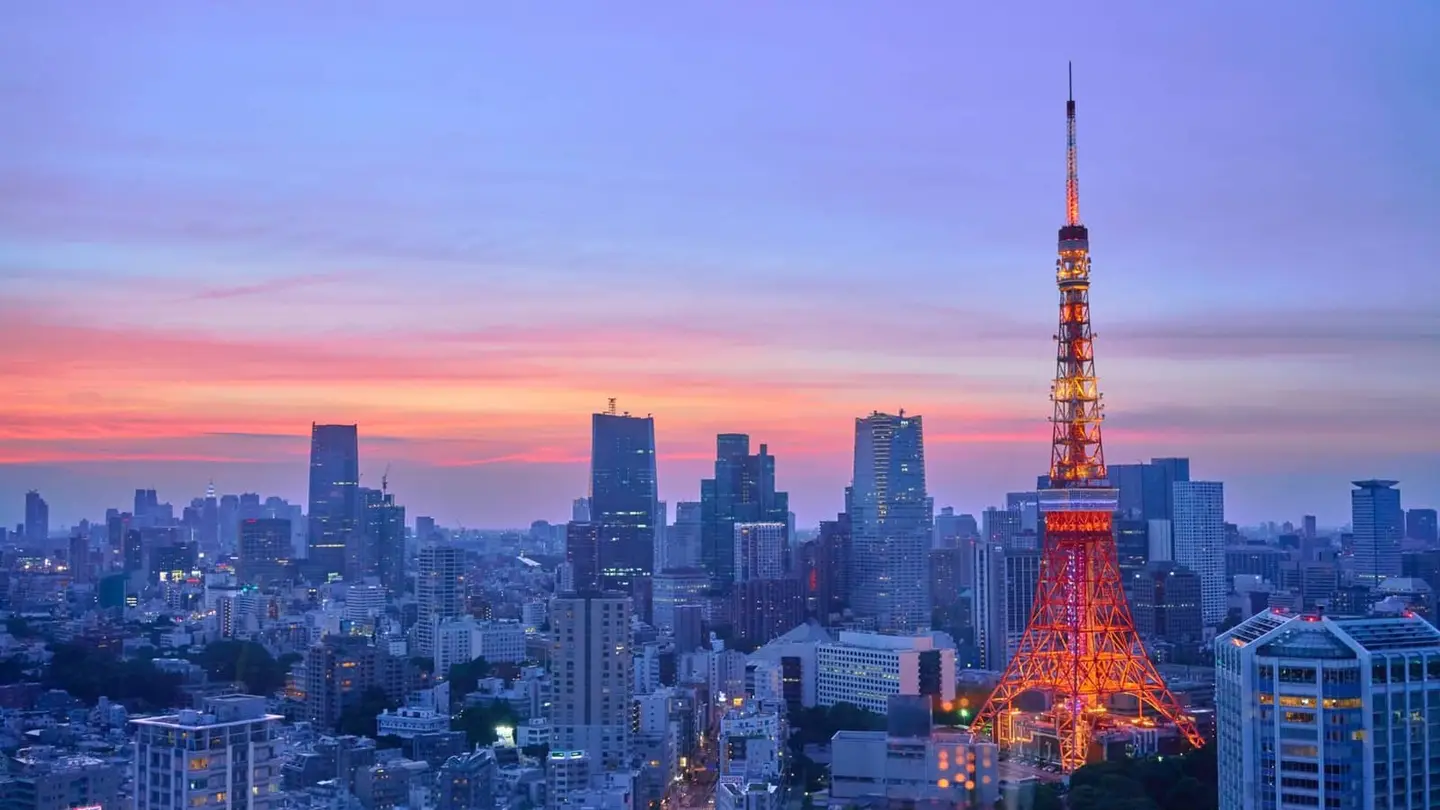
🗼 Tokyo
- Vibe: polite, hyper-organised, and somehow always room for fun
- Student hub: Takadanobaba, around Waseda, cheap eats and study cafes
- Headline schools: University of Tokyo, Waseda, Keio
- Budget: around ¥150,000 a month
🇰🇷 Seoul
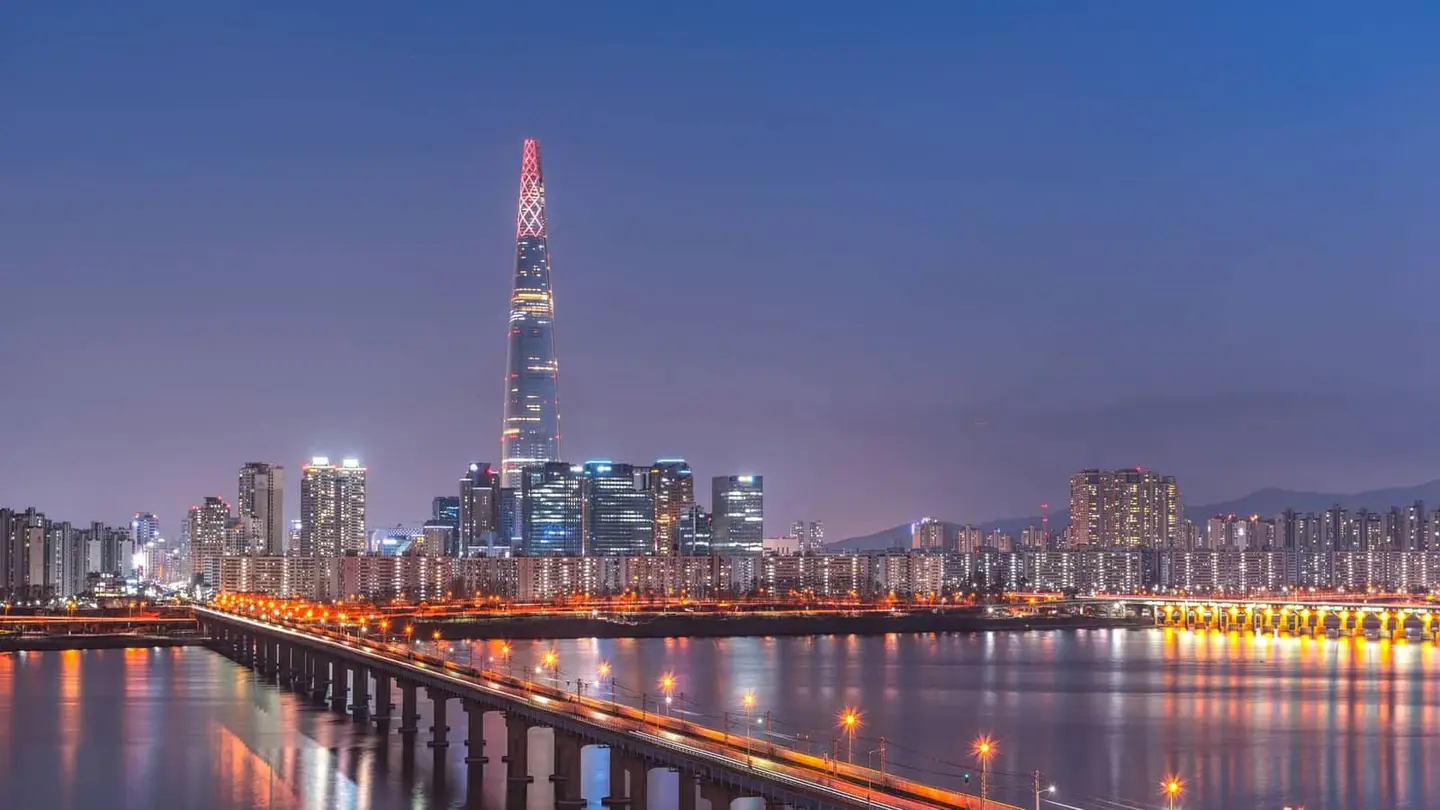
- Vibe: buzzing late-night youth culture, the ultimate student city in Asia
- Student hub: Sinchon and Hongdae, campuses, cheap eats and live music
- Headline schools: Seoul National, Korea University, Yonsei
- Budget: around ₩1,500,000 a month

🏙️ Hong Kong
- Vibe: dense, fast, East-meets-West, mountains and harbour minutes apart
- Student hub: Hung Hom, walkable to PolyU on a direct MTR line
- Headline schools: HKU, CUHK, HKUST
- Budget: around HK$12,000 a month

🏮 Taipei
- Vibe: friendly, late-night, night-market energy with great MRT
- Student hub: Gongguan and Shida, between NTU and NTNU
- Headline schools: NTU, NTNU, Taiwan Tech
- Budget: NT$28,000 to NT$35,000 a month
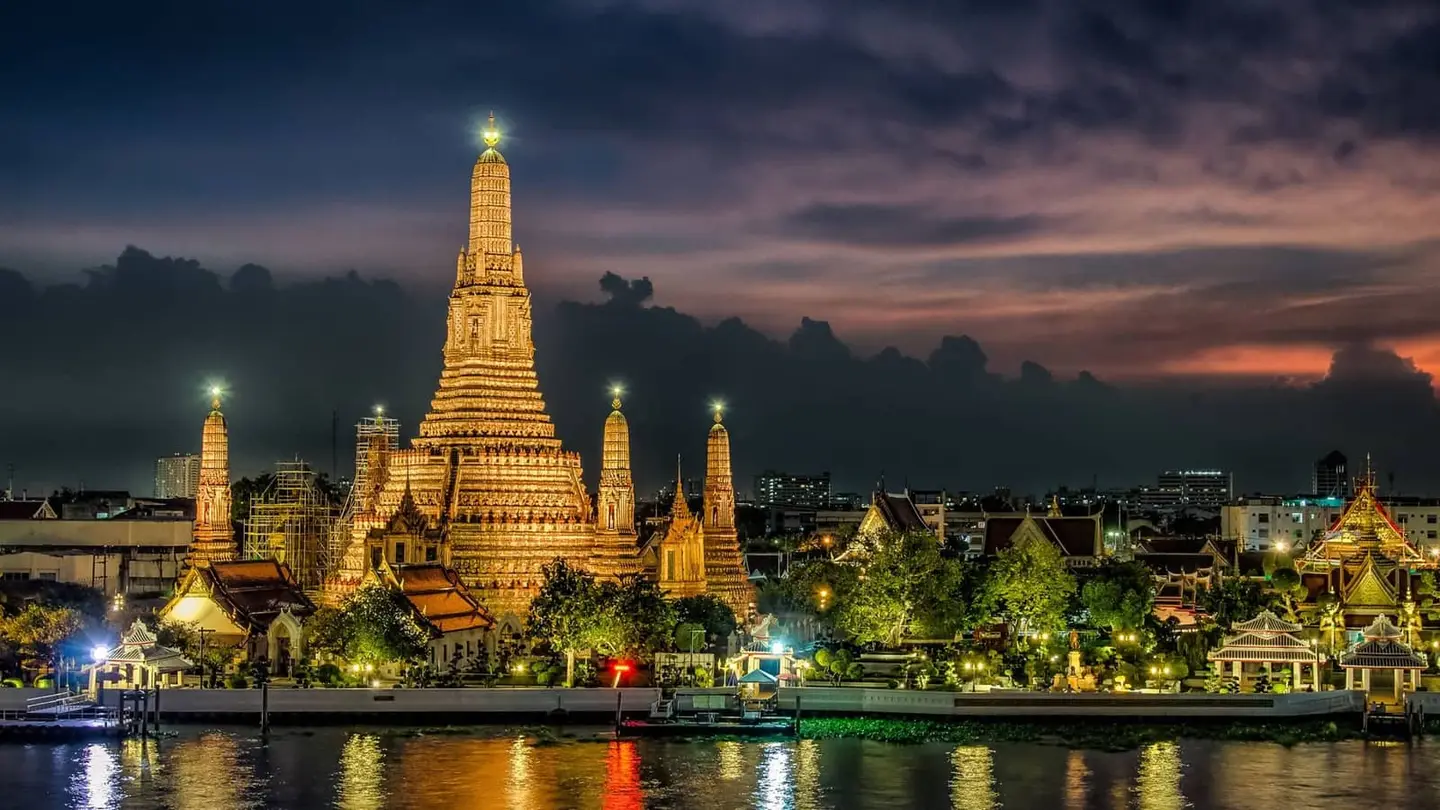
🛺 Bangkok
- Vibe: warm, social and cheap, one of Asia's great student cities
- Student hub: Siam and Sam Yan, by Chulalongkorn with two BTS lines
- Headline schools: Chulalongkorn, Thammasat, Mahidol
- Budget: around ฿20,000 a month
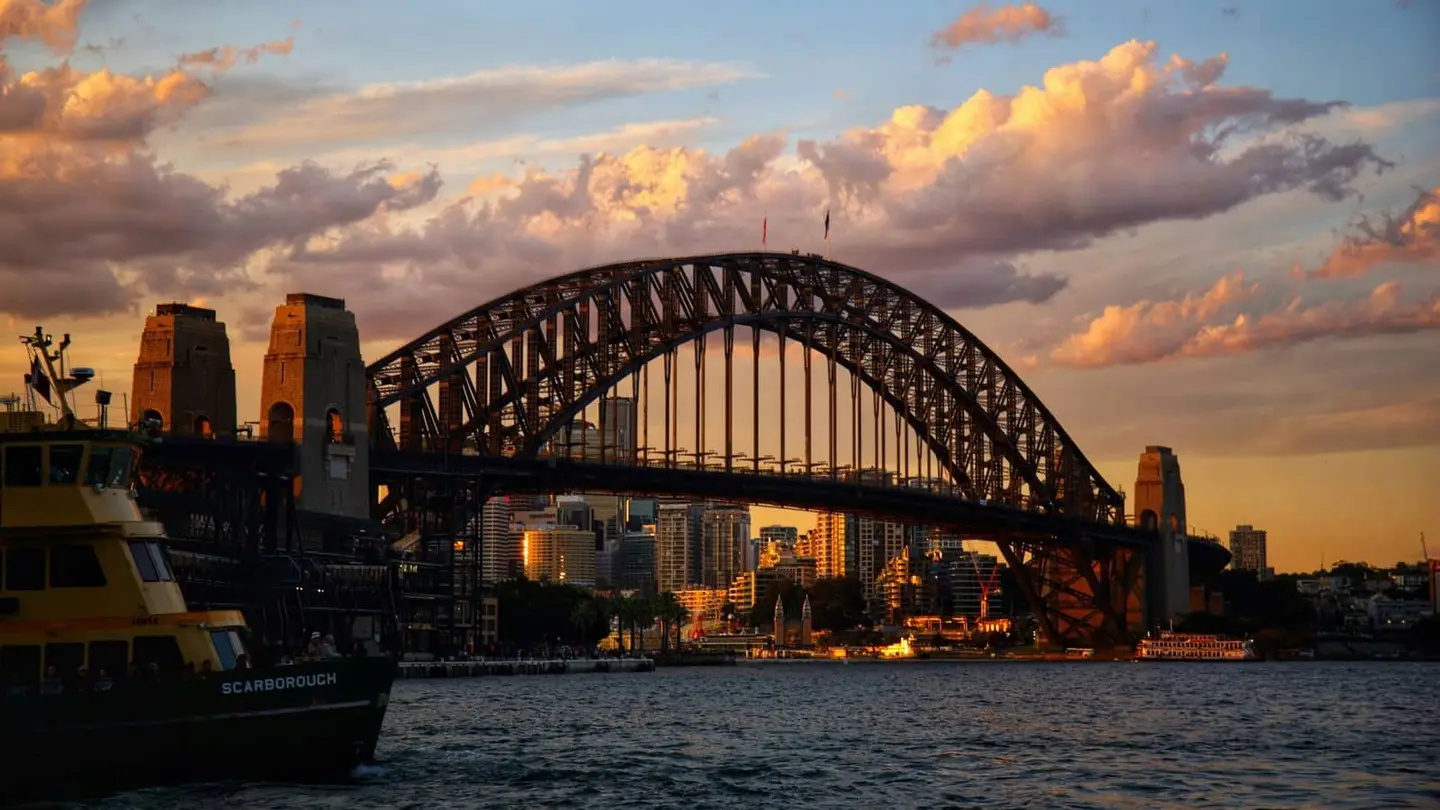
🌊 Sydney
- Vibe: laid back, beach and harbour wrapped around serious academics
- Student hub: Newtown, walkable and right by the University of Sydney
- Headline schools: USyd, UNSW, UTS
- Budget: around A$2,500 a month
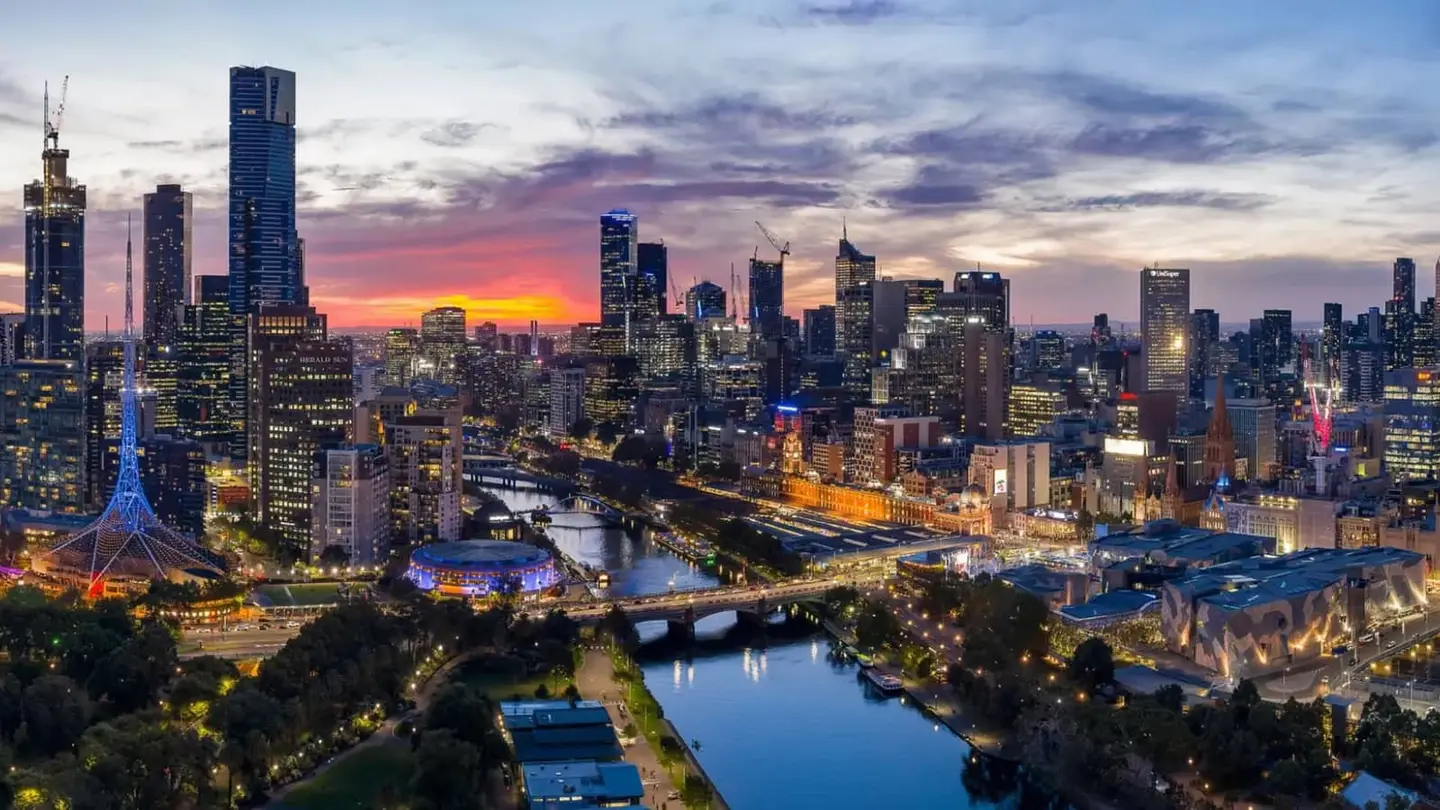
☕ Melbourne
- Vibe: creative, sport-loving and coffee-obsessed, Australia's biggest uni city
- Student hub: Carlton, by the University of Melbourne and RMIT, Lygon Street cafes
- Headline schools: University of Melbourne, RMIT, Monash
- Budget: around A$2,200 a month
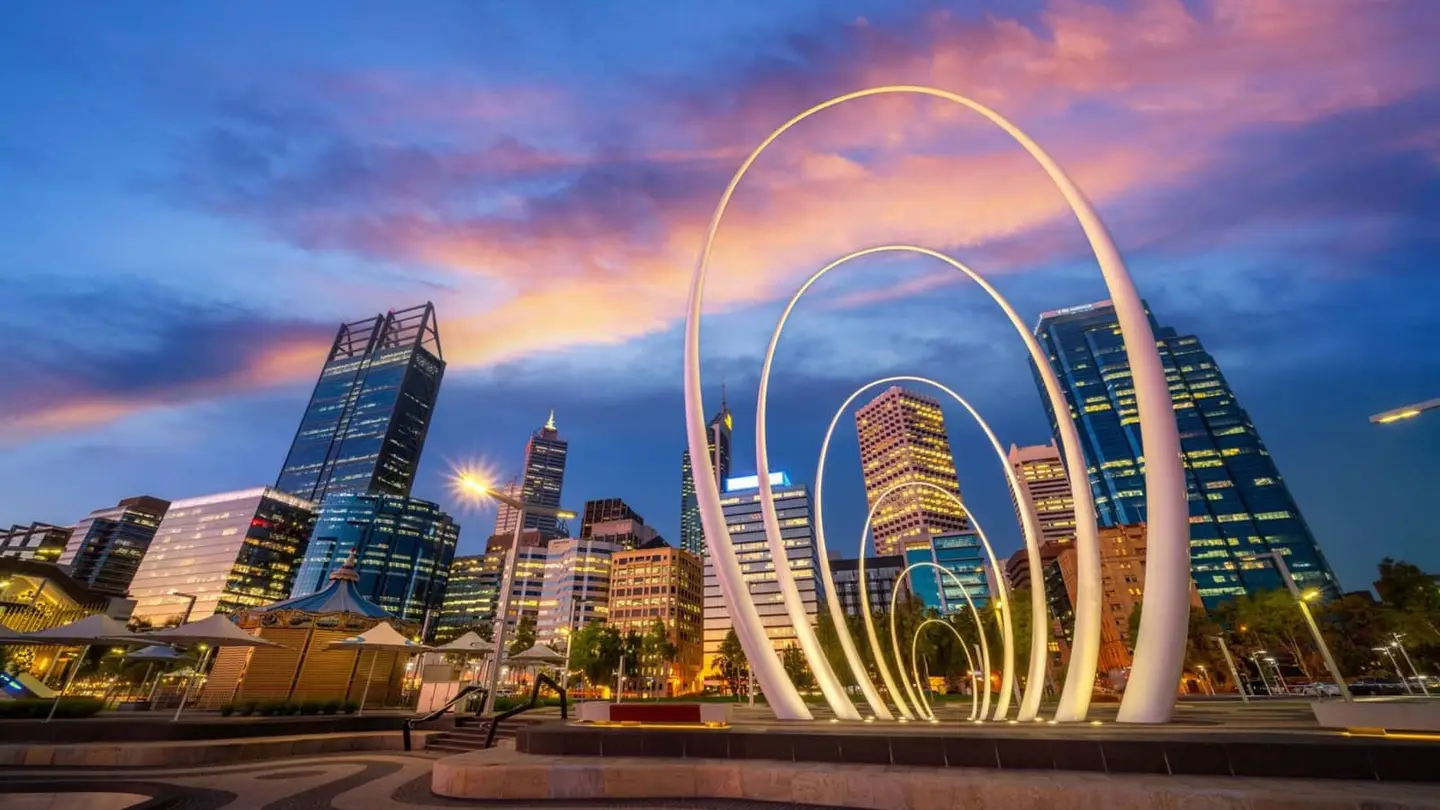
🏖️ Perth
- Vibe: laid-back, beach-and-river lifestyle, one of the friendliest in Australia
- Student hub: Northbridge and Mount Lawley, bars, cheap eats, close to ECU
- Headline schools: UWA, Curtin, ECU
- Budget: A$2,200 to A$2,800 a month
And the fourth Australian city, Brisbane, is the sunny, outdoors-first one: home to the University of Queensland (UQ), QUT and Griffith, with leafy riverside St Lucia by the UQ campus and West End next door for the social scene. A full student month sits around A$2,200, and that 50-cent transport cap makes getting around almost free.
Which city is right for me?
Sort yourself by what matters most:
- Tightest budget: Bangkok, then Taipei. A month in Bangkok can run near ฿20,000.
- Big-city, no-language-barrier: Sydney, Melbourne or Hong Kong, all English-first or English-official.
- Late-night youth culture: Seoul and Taipei, where the night does not really end. Start with Seoul.
- Beach lifestyle plus serious study: Perth and Brisbane for the sunniest, most relaxed version of an Australian degree.
- The full sensory overload: Tokyo, the largest student community in Japan, polite and packed and endlessly explorable.
What do students get wrong about studying this far from home?
Three mistakes come up again and again.
One: they budget in their home currency and panic. A Sydney room at A$1,400 sounds terrifying converted to baht, and a Bangkok month at ฿20,000 sounds unreal converted to dollars. Live in the local currency. Earn (or budget) in it, spend in it, and the numbers on our city pages will feel normal within a fortnight.
Two: they overestimate the language wall. Tokyo, Seoul, Taipei and Bangkok all run their student worlds with enough English around campus to get started, and the local students are usually thrilled when you try a few words back. The wall is lower than the internet makes it sound.
Three: they sort out housing too late, alone, from another continent. Booking blind from abroad is how people end up overpaying for a bad room. For everywhere on this list, line up housing through Socials Homes, our sister brand, which handles student rooms and co-living so you are not signing a lease you have never seen. That is the boring half. The fun half is the people, and that is the half most students leave to chance.
How do I actually find my people once I land?
Cost and a course do not make a year. The students who love their time abroad are the ones who walked into a room full of strangers in week one and walked out with a group chat. That is the entire reason The Student Life exists. Every city on this list has a per-city WhatsApp community and a Welcome Festival to kick off the semester, so you arrive to a calendar instead of an empty flat. The catch is that everything runs through your city, so the first move is always the same: find yours.
Your city is waiting
Pick your city to join its WhatsApp community and grab your spot at the Welcome Festival.
Find your city Explore SeoulFrequently asked questions
Is it cheaper to study in Asia or Australia?
Asia is generally cheaper. Bangkok is the lightest at around 20,000 baht a month and Taipei runs roughly NT$28,000 to NT$35,000, while the four Australian cities all sit higher in Australian dollars, around A$2,200 a month and up to about A$2,500 in Sydney. Tokyo and Seoul land in the middle in their own currencies.
Which Asian or Australian student city is the cheapest?
Bangkok. A full student month is around 20,000 baht with a single room near 8,000 baht, comfortably the most affordable of the nine cities. Taipei is the next cheapest among the Asian cities.
Do I need to speak the local language to study in Tokyo, Seoul, Taipei or Bangkok?
No, but it helps. All four use the local language for daily life with English common around campuses, transport and central areas. You can study and socialise in English to start, and learning a few hundred words quickly makes everyday life much easier and friendlier.
Which of these cities are English-speaking?
All four Australian cities (Sydney, Melbourne, Perth and Brisbane) run in English, and Hong Kong uses English as an official language alongside Cantonese, with it very widely spoken. Those five are the easiest if you want no language barrier.
How do I find housing and friends in these cities before I arrive?
Sort housing through Socials Homes, our sister brand, which handles student rooms and co-living so you are not booking blind from abroad. For friends, every city has a Student Life WhatsApp community and a Welcome Festival to start the semester. Both run through your city, so find your city first.