
Student Discounts in Europe: The City-by-City Guide
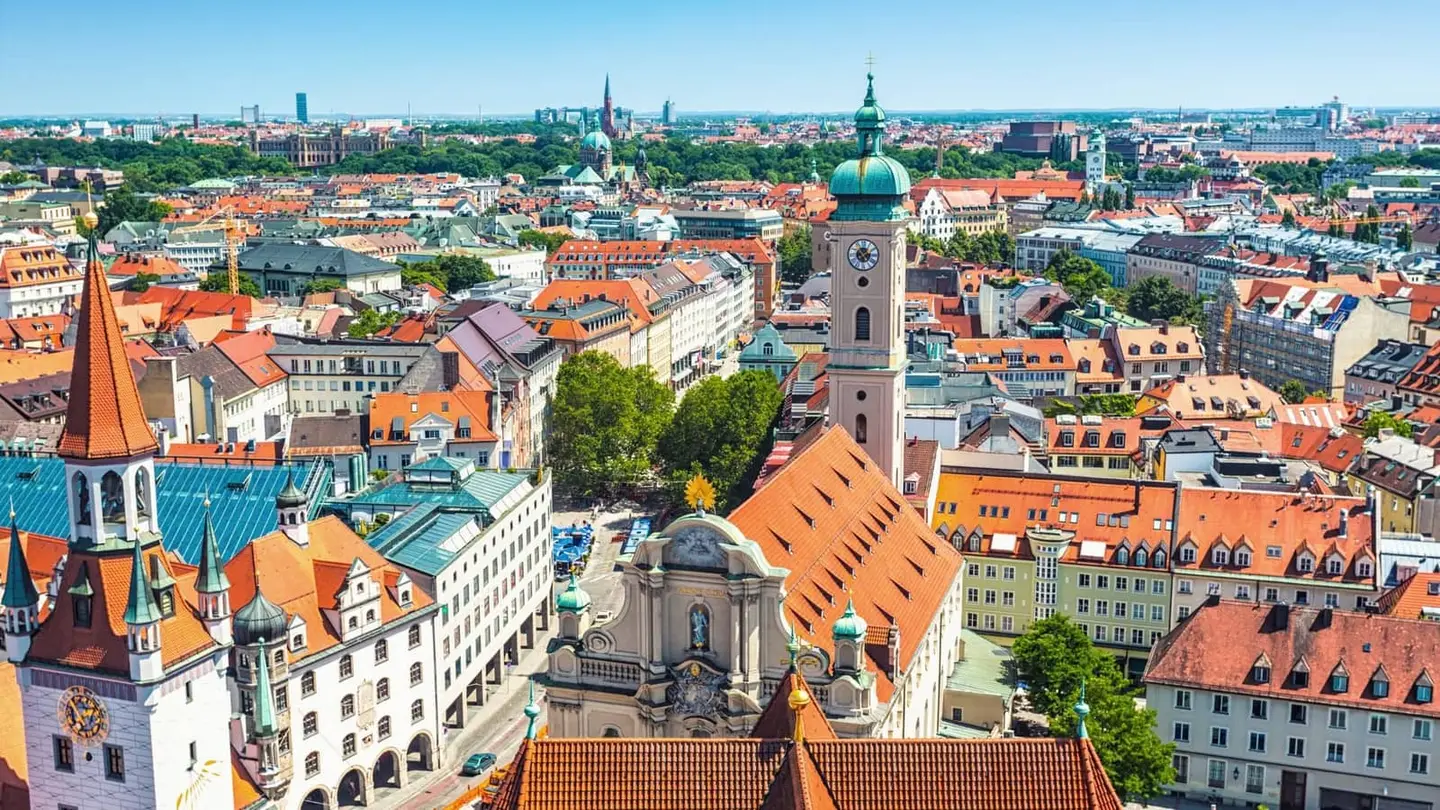
The biggest student discounts in Europe are not the ISIC card, they are the local student transport passes you sign up for in your first week. A student monthly pass costs around €38 in Munich, €58 in Berlin, around €23 in Barcelona (the T-jove for under 30s), €40 in Lisbon and around €30 in Vienna, versus £171 in London and around 480 kr in Copenhagen. On top of that, get an ISIC or your university card for museums and software, eat the daily student menu (the menu del dia, the mensa lunch), and ask "is there a student price?" everywhere, because in most of Europe there quietly is.
Here is the thing nobody tells you before you move: in most of Europe, being a student is a discount in itself. Trains, museums, gym memberships, software, even the cinema and a haircut, there is a quiet student price sitting under the normal one, and a lot of it goes unclaimed simply because new arrivals do not know to ask. This is the guide we wish we had had. We will go card by card and deal by deal, then drop into real city by city prices pulled straight from our city pages, so you know exactly what a student pass should cost where you are landing.
Is the ISIC card actually worth it?
The ISIC (International Student Identity Card) is the one card recognised worldwide as proof you are a student, and it costs roughly €10 to €18 a year depending on country. It is genuinely useful if you travel a lot, because it unlocks discounts at chains, attractions, hostels and some airlines across borders where your home university card means nothing. But be honest with yourself: if you are mostly staying in one city, your own university student card already does most of the heavy lifting locally, often for free. Our take, get the ISIC if you plan to hop around Europe on weekends, otherwise lead with your uni card and only buy the ISIC when a specific deal needs it.
- Best for: cross-border travel, museums abroad, hostel chains, the odd flight discount.
- Skip if: you rarely leave your city and your uni card covers transport and campus perks.
- Pro move: many cities have a free regional youth or student card (a Jugendkarte, a city culture card) that beats the ISIC locally. Ask in your first week.
Which student discount saves you the most money?
Transport, easily. A student transport pass is the single biggest recurring saving you will make, and the gap between cities is huge. Here is what a monthly pass actually costs in some of Europe's top student cities, each in its own local currency, straight from our data.
| City | Transport / mo | Coffee | Beer |
|---|---|---|---|
| Munich | around €38 | €3.70 | €4.50 |
| Berlin | €58 | €3.50 | €4 |
| Barcelona | around €23 | €2 | €3 |
| Lisbon | €40 | around €1 | €2 to €4 |
| London | £171 | £3.50 | £6.50 |
| Copenhagen | around 480 kr | around 45 kr | around 55 kr |
Figures are in each city's local currency (euro €, London £, Copenhagen Danish krone kr). The Barcelona figure is the T-jove for under 30s, billed per quarter, and the Munich figure is the student rate that sits under the €63 Deutschlandticket. Notice how the same "monthly transport pass" can be a rounding error in Barcelona and a real budget line in London. That single number should shape how you pick neighbourhoods and how often you cycle.
How much is a student transport pass in each European city?
Going wider, here is the full city by city picture for the student or young-person monthly pass, again in local currency. These match the transport line on each city page exactly, so you can plan a budget you can trust.
- Munich: around €38 for students, sitting under the €63 Deutschlandticket that works on regional transport nationwide. See the full breakdown on the Munich city page.
- Berlin: €58 a month. Cheap eats and a €15 dinner out make the rest of the budget easy. Berlin city page.
- Barcelona: around €23 a month on the T-jove (under 30s, billed per quarter), one of the best transport deals in Europe. Barcelona city page.
- Madrid: €10 to €54 a month depending on your zone and age, with deep youth discounts. Madrid city page.
- Lisbon: €40 for the metro-area Navegante pass, and coffee at around €1 if you drink it standing at the counter like a local. Lisbon city page.
- Vienna: around €30 a month when you buy the annual pass and split it down, famously good value. Vienna city page.
- Paris: around €90 a month on the Navigo, with student and youth reductions worth chasing. Paris city page.
- London: £171 a month, the priciest on this list, which is why the 30 percent student discount on the travelcard is non-negotiable. London city page.
- Copenhagen: around 480 kr a month at the student price. Copenhagen city page.
- Stockholm: around 1,060 kr a month, with a student reduction if you register through your uni. Stockholm city page.
- Krakow: around 99 zl a month, and student rates cut it further. Krakow city page.
- Warsaw: around 110 zl a month, with steep student reductions available. Warsaw city page.
- Budapest: around 8,950 Ft a month, and Hungarian students pay a fraction of that on the official student pass. Budapest city page.
- Zurich: CHF 87 a month, the most expensive in absolute terms, but youth and student travelcards (the half-fare and night options) change the maths fast. Zurich city page.
One rule travels everywhere: never buy a monthly pass before you have asked your university's student services about the local student or youth fare. The headline price above is the public one, and the student version is almost always cheaper, sometimes dramatically so.
Are museums really free for students in Europe?
Often, yes, and this is one of the most underused perks going. EU and EEA students under 26 get into a huge number of national museums and galleries completely free, and even outside that bracket the student price is usually half. The Louvre, the Prado, most state museums in Germany and Austria, large chunks of Italy's national sites, all have free or near-free student entry. The trick is carrying proof: bring your passport or residence card plus your student card, because the free entry is tied to your age and residency, not just being a student.
- Carry ID: proof of age and EU/EEA residency unlocks the free tier; your student card alone unlocks the discounted one.
- First Sunday: many cities (Paris, Berlin and more) run free-entry days on the first Sunday of the month, student or not.
- City culture cards: a few euros for a youth culture pass can cover dozens of venues for a year. Worth it if you actually go.
How do students eat cheaply in Europe?
Two words: student menu. Almost every European university town has an eating-cheaply system baked into its culture, and learning it in your first week is worth hundreds over a semester.

🥘 Barcelona and Madrid
- The deal: the menu del dia, a fixed lunch of starter, main, drink and often dessert.
- Price: roughly €12 to €15 in Barcelona, similar in Madrid.
- Coffee and beer: €2 coffee, €3 beer in both cities.
- Why it wins: it is a full restaurant meal for the price of a sandwich back home.
🍽️ Munich and Berlin
- The deal: the university mensa, subsidised canteens open to every enrolled student.
- Price: mains often a few euros; a dinner out runs €18 to €25 in Munich, €15 in Berlin.
- Coffee and beer: €3.70 coffee and €4.50 beer in Munich, €3.50 and €4 in Berlin.
- Why it wins: the mensa is the cheapest hot meal in the city and where you meet people.
Wherever you land, the playbook is the same: eat your big meal at lunch when the student menu runs, use the campus mensa or canteen, and shop the discount supermarkets (Lidl, Aldi, Mercadona, Biedronka) rather than the corner store. In the cheaper capitals the numbers get genuinely fun: a beer is around 13 zl in Krakow, around 1,100 Ft in Budapest and a dinner out around 5,000 Ft. In the pricier ones, a beer is £6.50 in London, around 75 kr in Stockholm and CHF 8 in Zurich, which is exactly why the student menu and the mensa matter most there.
What other student discounts should you grab?
Beyond transport, museums and food, there is a long tail of student savings that add up. Set these up in your first fortnight and forget about them.
- Software and streaming: free or cut-price Spotify, free Notion and GitHub student packs, and education pricing on Adobe and Microsoft, all unlocked with your university email.
- Banking: most countries have a free student current account and a fee-free youth card. Open one locally rather than paying foreign card fees all year.
- Mobile data: a 10GB plan is cheap across most of Europe, from around €10 in Lisbon and Madrid to £15 in London and CHF 30 in Zurich. Get a local SIM, do not roam.
- Gyms, cinemas, haircuts: ask everywhere. A student price exists more often than you think, it is just rarely advertised.
- Rail travel: national youth railcards (in the UK, France, Germany and beyond) pay for themselves in two or three trips and stack with the ISIC abroad.
What do students get wrong about discounts in Europe?
The mistakes are nearly always the same, and they are all fixable.
- Buying the full-price transport pass. The student or youth fare is almost always cheaper, but you usually have to register it through your university. Do not tap on with the public-price ticket for a month before you find out.
- Forgetting their ID. Free museum entry is tied to age and residency, so a student card alone often is not enough. Carry your passport or residence card too.
- Treating the ISIC as a magic key. It is great for travel, but locally your uni card and free city youth cards usually beat it. Do not pay for overlap.
- Eating out at dinner instead of lunch. The menu del dia and the mensa run at midday. Shift your big meal earlier and the savings are real.
- Not asking. The single most expensive habit is assuming there is no student price. In Europe, there usually is. The five words that save the most money are "is there a student price?"
The smartest way to learn all of this is not a blog, it is the people who already live it. Every TSL city has a WhatsApp community where students swap exactly this stuff in real time, which transport pass to register, where the cheap mensa is, which museum is free on Sunday. And if you are sorting out where to live while you are at it, that is the one thing we never write for you: head to Socials Homes for student rooms (or Fuse Stays if you are headed to Budapest), and keep your budget for the fun part.
Land in your city already knowing the deals
Find your city to join its WhatsApp community, get the local money-saving playbook, and grab your spot at the Welcome Festival.
Find your city See MunichFrequently asked questions
Is the ISIC card worth it for students in Europe?
It is worth it if you travel across borders often, since it is recognised worldwide and unlocks discounts at museums, hostels and some flights for around 10 to 18 euro a year. If you mostly stay in one city, your own university card and free local youth cards usually cover more, so only buy the ISIC when a specific deal needs it.
What is the cheapest city in Europe for a student transport pass?
Among major student cities, Barcelona is one of the cheapest at around 23 euro a month on the T-jove for under 30s, and Vienna is around 30 euro a month on the annual pass. Munich students pay around 38 euro. London is the most expensive at 171 pounds a month, which is why the student travelcard discount there matters most.
Are museums free for students in Europe?
In many countries yes. EU and EEA residents under 26 get free entry to a huge number of national museums and galleries, including the Louvre and the Prado, and students of any age usually get a reduced price. Bring your passport or residence card as well as your student card, because the free tier is tied to your age and residency.
How do students eat cheaply across Europe?
Eat your main meal at lunch when the student menu runs. In Spain that is the menu del dia, a fixed lunch for around 12 to 15 euro. In Germany and Austria use the university mensa, where hot mains cost only a few euro. Shop discount supermarkets like Lidl, Aldi, Mercadona and Biedronka rather than corner shops.
Do I need to register for the student transport price or is it automatic?
It is almost never automatic. The headline monthly price you see online is usually the public fare, and the student or youth version is cheaper but has to be registered through your university or a youth card. Sort this in your first week so you are not paying full price for a month before you notice.