
Cost of Living for Students in Europe: 2026 Monthly Budgets by City
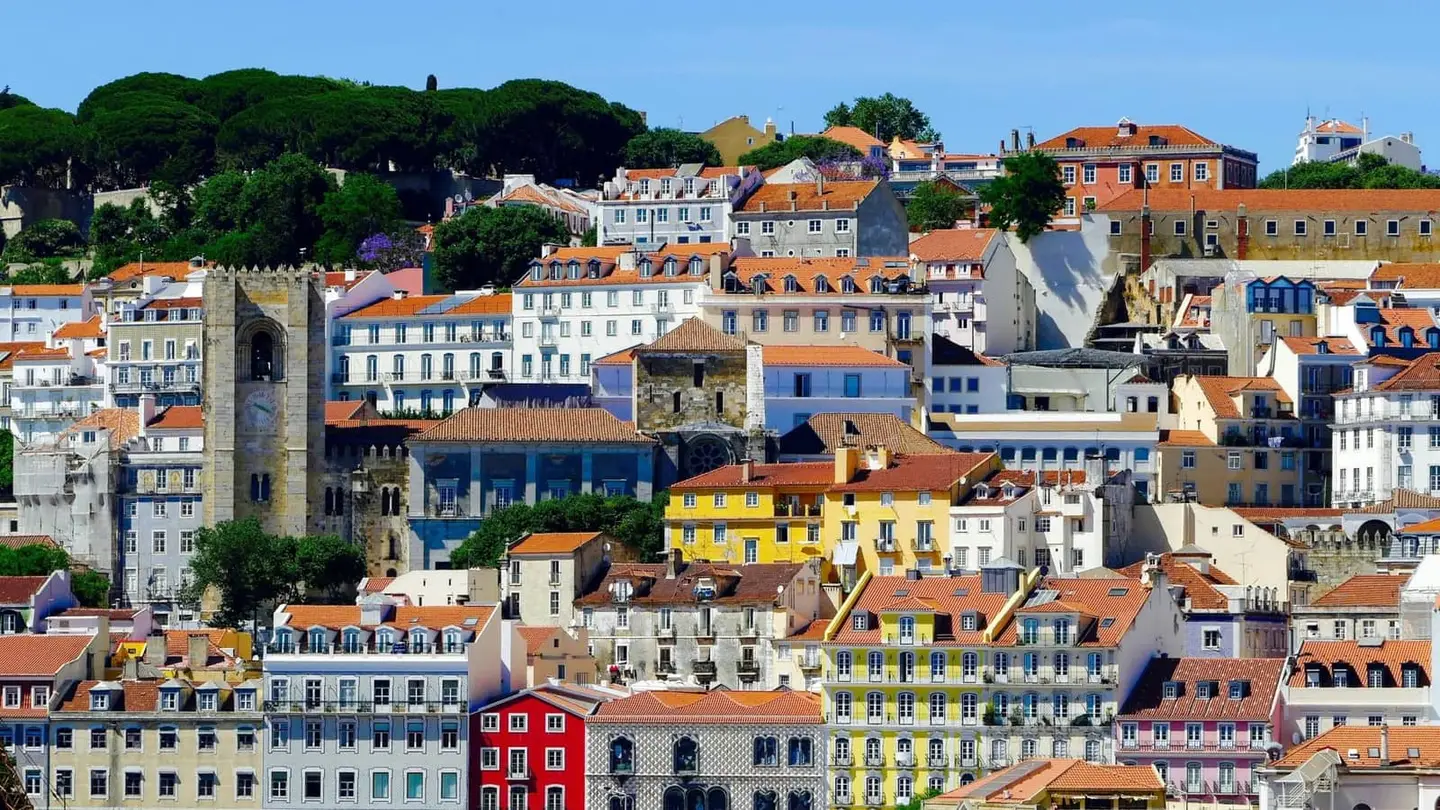
Across Europe in 2026, a student budget runs from roughly 3,000 zl a month in Krakow and around 300,000 Ft in Budapest at the affordable end, through €900 to €1,300 in Lisbon and €1,400 in Berlin in the middle, up to £1,600 in London, around 15,000 kr in Oslo and CHF 2,200 in Zurich at the top. Rent is the swing factor: a room is around €400 to €600 in Lisbon but £950 in London. The trick is to pick a city where your budget actually buys you a social life, not just a desk.
Everyone asks the same thing before they move: how much does it actually cost to be a student in Europe? Not the glossy brochure number, the real one, the one that covers rent, a metro pass, a coffee on the way to your 9am and a few beers when the week is finally over. So we built the table you actually want. Sixteen cities, real 2026 figures, each one in its own local currency, pulled straight from our city pages so the numbers match everywhere you look.
One thing up front: the biggest line on every student budget is rent, and it swings more than anything else. We do not run room searches ourselves, our sister brand Socials Homes handles the actual room hunting. For Budapest and Riga specifically, Fuse Stays runs all-inclusive student co-living, which is the simplest route in those two cities. What we care about here is the full picture of student life, so you can pick a city where your money buys you a community and not just four walls.
What does a student in Europe actually spend per month?
A monthly student budget in Europe in 2026 lands almost anywhere between roughly €900 and CHF 2,200, depending entirely on the city. Central and Eastern Europe is the value play, the Iberian and Central European capitals sit comfortably in the middle, and the UK, the Nordics and Switzerland are where your bank account starts sweating. Here is the whole field, cheapest to priciest, with every figure in that city's own currency.
| Budget / mo | Room | Transport | Coffee | Beer | |
|---|---|---|---|---|---|
| Krakow | ~3,000 zl | ~1,500 zl | ~99 zl | ~14 zl | ~13 zl |
| Budapest | ~300,000 Ft | ~130,000 Ft | ~8,950 Ft | ~800 Ft | ~1,100 Ft |
| Warsaw | ~4,000 zl | ~2,000 zl | ~110 zl | ~16 zl | ~14 zl |
| Lisbon | €900 to €1,300 | €400 to €600 | €40 | ~€1 | €2 to €4 |
| Madrid | €1,000 to €1,300 | €500 | €10 to €54 | €2 | €3 |
| Barcelona | €1,200 to €1,500 | €550 | ~€23 | €2 | €3 |
| Milan | €1,300 | €600 | €22 | €1.50 | €6 |
| Vienna | €1,300 to €1,500 | €450 to €600 | ~€30 | €4 | €4.50 |
| Berlin | €1,400 | €550 | €58 | €3.50 | €4 |
| Dublin | €1,500 to €2,000 | €780 | €100 | €3.50 | €6 |
| Edinburgh | ~£1,550 | £600 to £900 | ~£60 | £3 | £5 |
| London | £1,600 | £950 | £171 | £3.50 | £6.50 |
| Stockholm | ~12,000 kr | ~6,000 kr | ~1,060 kr | ~50 kr | ~75 kr |
| Copenhagen | ~12,000 kr | 5,000 to 7,000 kr | ~480 kr | ~45 kr | ~55 kr |
| Oslo | ~15,000 kr | 6,000 to 9,000 kr | ~655 kr | ~50 kr | ~110 kr |
| Zurich | CHF 2,200 | CHF 900 | CHF 87 | CHF 5 | CHF 8 |
All figures are in each city's local currency: zl for Poland, Ft for Hungary, € for the euro cities, £ for the UK, kr for the Nordics and CHF for Switzerland. We have left them that way on purpose, because that is the money you will actually be holding, and converting everything to one currency just hides the real shape of student life.
Which European cities are cheapest for students?
If your priority is making the budget stretch, Central and Eastern Europe wins easily. Krakow is the standout: a student month is around 3,000 zl, a room sits near 1,500 zl, a coffee is about 14 zl and a beer roughly 13 zl, so a night out costs what a single round costs further west. Budapest plays in the same league with a roughly 300,000 Ft monthly budget and a 130,000 Ft room, plus thermal baths and ruin bars that make it one of the most fun cheap cities on the continent. Warsaw is a touch pricier than Krakow at around 4,000 zl a month but still a fraction of Western Europe.
The thing nobody tells you: cheap does not mean quiet. These cities have huge international student scenes, and the lower cost of living means people actually go out, because they can afford to.
Where do you get the best value in Western Europe?
Lisbon is the sweet spot, and it is why we put it front and centre. A student budget of €900 to €1,300, a room from €400 to €600, a metro-area Navegante pass at €40 and a coffee for around €1: it is the rare Western European capital where the maths still works in your favour, and the sun is free. Madrid and Barcelona sit just above, both around €500 to €550 for a room, with a €2 coffee and a €3 beer that make Spain feel generous compared to its neighbours.
Step up to the €1,300 to €1,500 tier and you get Milan, Vienna and Berlin. Berlin is the cultural giant of the three, with a €550 room, a €4 beer and a nightlife reputation that needs no introduction, though the €58 transport pass is steeper than the Spanish cities. Vienna repeatedly tops liveability rankings and keeps rooms reasonable at €450 to €600, with a transport pass that works out to about €30 a month on the annual ticket.
Which European student cities are the most expensive?
No surprises at the top. London runs around £1,600 a month with a £950 room and a brutal £171 transport pass, the single highest commuting cost on this list. Edinburgh is the gentler UK option at roughly £1,550 a month, with a £600 to £900 room and a £60 travel pass, so it keeps the British university experience without quite the London sting.
The Nordics are their own tier. Stockholm and Copenhagen both sit around 12,000 kr a month, while Oslo tops out near 15,000 kr with a beer that will run you around 110 kr, so pre-drinks are basically a national sport. And then there is Zurich, in a league of its own at CHF 2,200 a month, a CHF 900 room and a CHF 8 beer. Salaries and student support are higher in these places too, but if you are funding yourself, go in with eyes open.
How should you budget once rent is sorted?
Rent is the boss fight, and it is the one line we hand off to the specialists. If you are hunting for a room in any of these cities, Socials Homes is the sister brand built for exactly that. Get that locked first, because everything else on the table is small change by comparison.
After rent, build your month around three buckets:
- Getting around: almost every city has a discounted student or under-26 transport pass. Barcelona's quarterly T-jove works out to around €23 a month, Milan is €22 for under-27s, Vienna about €30 on the annual ticket. Always ask for the student rate.
- Eating and drinking: this is where cities differ most. A €1 coffee in Lisbon versus CHF 5 in Zurich, a €3 beer in Madrid versus around 110 kr in Oslo. If you want to go out a lot, this line matters more than rent.
- The social life fund: the bit students forget and then panic about. Set aside money for the first few weeks specifically, because that is when you meet everyone.
What do students get wrong about cost of living?
Three big ones. First, people compare raw numbers across currencies and freak out. A 15,000 kr month in Oslo and a £1,600 month in London are not the same money, and pretending they are leads to bad decisions. Read each city in its own currency, which is exactly why our table keeps the kr, the zl, the Ft and the CHF where they belong.
Second, students obsess over rent and ignore the daily drip. A €6.50 beer in London or a CHF 8 one in Zurich adds up far faster than the headline rent gap suggests once you actually have a social life.
Third, and the one that stings most: people budget for survival, not for living. They pick the cheapest possible city, move in, and then realise they do not know a single person. The whole point of these years is the people you meet. A slightly pricier city where you actually build a community beats a cheap city where you are alone every weekend. That is the bit the spreadsheet never shows you, and it is exactly the gap we exist to fill.
Pick your city, then find your people
Sort the budget, sort the room, then let us sort the part that actually matters by getting you into the city community and to the Welcome Festival.
Browse all cities See LisbonFrequently asked questions
What is the average cost of living for a student in Europe in 2026?
It depends heavily on the city. A student month runs from around 3,000 zl in Krakow and roughly 300,000 Ft in Budapest at the low end, through €900 to €1,300 in Lisbon and €1,400 in Berlin in the middle, up to £1,600 in London, around 15,000 kr in Oslo and CHF 2,200 in Zurich at the top.
Which is the cheapest European city for students?
Krakow is the cheapest on our list, with a student budget of around 3,000 zl a month, a room near 1,500 zl, a coffee about 14 zl and a beer roughly 13 zl. Budapest and Warsaw are close behind and both offer big international student scenes for the money.
How much does student rent cost in Europe?
A room ranges from around €400 to €600 in Lisbon and roughly 1,500 zl in Krakow at the affordable end, up to £950 in London and CHF 900 in Zurich at the top. Rent is the single biggest swing in any student budget, so lock it in first.
Why are all the prices shown in different currencies?
Because that is the money you will actually be spending. Euro cities are in €, the UK in £, the Nordics in kr, Poland in zl, Hungary in Ft and Switzerland in CHF. Converting everything into one currency hides the real shape of day to day costs, so we keep each city in its local currency.
Is a cheaper city always the better choice for students?
Not really. The cheapest city is a poor deal if you spend every weekend alone. A slightly pricier city where you build a real community and friendships usually beats a cheap one where you know nobody. Budget for a social life, not just survival.